Precision and efficiency in every design
Plastic mould tooling demands precision at every stage. Computer aided design sits at the heart of how we work, from the first 3D review of your component to the CNC programmes that machine your tool.
Whether you need a straightforward single-impression tool or a complex multi-cavity hot runner system with moving cores and tight tolerances, every tool starts as a complete 3D model built around your part and production needs.


Why computer aided tool design?
3D CAD gives a level of accuracy, speed and complexity that 2D drawings cannot match. For you, that means fewer surprises, fewer revisions and a better tool.
Precision
Every dimension, radius and parting surface defined in 3D before any steel is cut.
Faster revisions
Parametric models update automatically, so design changes take far less time.
Lower cost
Problems caught in CAD cost nothing to fix. Problems found after machining cost far more.
Design to machine
CAM programmes come straight from the 3D model, with no re-keying of dimensions.
Pioneers of Autodesk Inventor Tooling
Kavia became the first company in the UK to trial and implement Autodesk Inventor Tooling. It changed how we design tools, and our engineers have built up deep experience with it ever since.
Its mould-specific toolset, including core and cavity derivation, mould base libraries, runner and gate design and direct CNC output, lets us design better tools, faster.
What we design in CAD
Our CAD capability covers the full range of tool types, from quick single-impression designs to highly complex multi-cavity systems.
- Single and multi-cavity tools
- Hot runner design and layout
- Cold runner and sprue bush design
- Auto-unscrewing tools
- Hydraulic and mechanical moving cores
- Split cavity and 3D cavity design
- Sprung core and mechanism tools
- Ejector system design
- Cooling system design
- Mould base selection
- Tolerance analysis
- Direct CNC programme output
From CAD model to finished tool
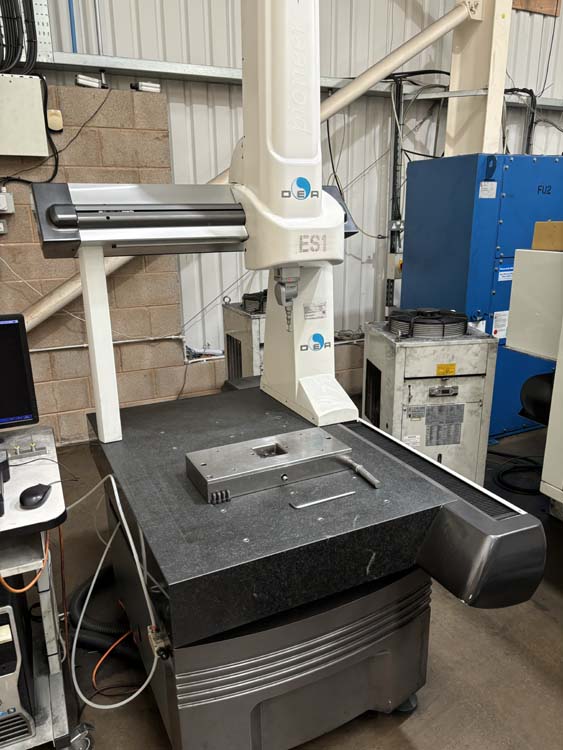
Our CAD work is fully joined up with our in-house manufacturing. The 3D model does not just produce a drawing; it drives the machining, inspection and documentation all the way to a production-ready tool.
- Brief and component reviewRequirements, volumes, material, tolerances and production constraints confirmed before design begins.
- 3D tool designCore, cavity, mould base, runners, ejection, cooling and every mechanism modelled in full 3D.
- Design review and approvalWe walk you through the design and make any agreed changes before manufacture.
- CNC programmingCAM programmes generated directly from the 3D model, so the machined tool matches the design.
- Manufacture and validationBuilt in-house, inspected against the model, trialled and validated to your specification.