In modern manufacturing, demand for high-quality, complex, and reliable plastic components is higher than ever. Whether it’s in medical devices, automotive parts, consumer electronics, or aerospace applications, manufacturers require parts with exacting accuracy and consistency. This is where precision injection moulding comes into play, a cutting-edge technique that produces detailed, high-tolerance plastic parts with unparalleled repeatability.
In this blog, we’ll dive deep into what precision injection moulding is, how it works, why it matters, and where it’smaking the most significant impact.
What Is Precision Injection Moulding?
Precision injection moulding is a highly specialised form of traditional plastic injection moulding. The goal is to produce plastic parts with extremely tight tolerances, often within microns, and consistent dimensional accuracy over long production runs. This process is essential in industries where product failure is not an option, such as medical, aerospace, and automotive engineering.
While standard injection moulding works well for many general-purpose items, precision injection moulding takes things a step further, ensuring that critical components meet exacting standards for shape, size, weight, and performance.
How Does it Work?
At its core, precision injection moulding uses the same fundamental equipment and processes as traditional injection moulding: melted plastic is injected into a mould cavity under pressure, allowed to cool, and then ejected as a finished part. However, the difference lies in the level of control, accuracy, and quality of the tooling and machinery involved.
To achieve precision injection moulding, several key factors are critical:
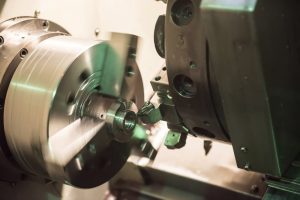
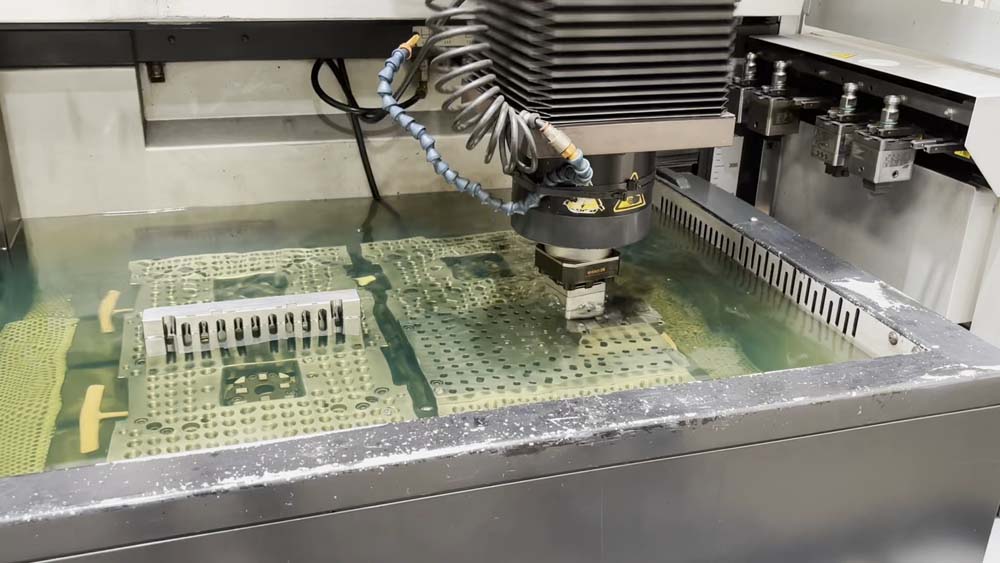
High-Precision Tooling: The moulds themselves must be designed to exact specifications, often using advanced CNC machining or EDM (Electrical Discharge Machining) techniques.
Advanced Moulding Machines: High-performance injection moulding machines with precise temperature and pressure control are essential.
Specialised Materials: Engineering-grade plastics with stable thermal and flow properties are often used.
Consistent Process Control: Every stage of the injection process, from material drying to cooling rate, must be monitored and controlled to avoid variation.
Expertise and Technology: Skilled technicians and advanced analytics play a significant role in achieving the desired precision.
The result? Ultra-consistent parts that conform to strict dimensional tolerances and demanding end-use conditions.
Why Is Precision Injection Moulding Important?
Precision injection moulding is vital where accuracy and reliability are non-negotiable. Here are just a few reasons this method is so critical:
1. Tight Tolerances
Precision moulding can produce parts with tight tolerances between ±0.001 inches or even smaller. This is crucial for complex assemblies where every component must fit and function perfectly.
2. Superior Quality and Consistency
With precision injection moulding, manufacturers can produce large volumes of identical parts with no variation. This is essential for industries where uniformity is critical, such as electronics and medical devices.
3. Cost Efficiency in Bulk Production
Once set up, precision injection moulding is highly cost-effective, especially for high-volume production. While upfront tooling costs may be higher, the long-term benefits in reliability and reduced waste outweigh the initial investment.
4. Complex Geometries
Precision moulding allows for the creation of highly intricate parts that would be difficult or impossible to produce with alternative manufacturing methods.
Applications of Precision Injection Moulding
Precision injection moulding plays a pivotal role in many sectors, including:
Medical Devices: Surgical instruments, diagnostic components, and implantable devices must meet exact specifications and be free from defects.
Automotive Industry: Critical vehicle components, especially those related to safety, require precise fit and durability.
Aerospace Components: Lightweight, complex, and reliable parts are essential in aviation.
Electronics: Consumer and industrial electronics rely on precise housings, connectors, and circuitry elements.
Optical Equipment: Lenses and precision fittings demand high clarity and exact dimensions.
Challenges of Precision Injection Moulding
While precision injection moulding offers many advantages, it’s not without its challenges:
High Tooling Costs: Designing and machining precision tools can be costly and time-intensive.
Material Limitations: Not all plastics are suited for high-precision applications.
Technical Expertise Needed: Skilled technicians and engineers are essential to program, operate, and maintain the machinery involved.
Thankfully, partnering with an experienced tooling provider like Kavia Tooling can help mitigate these challenges and ensure the highest standards of quality and performance.
Why Choose Kavia Tooling?
At Kavia Tooling, precision isn’t just a process, it’s a promise. With years of experience in designing, manufacturing, and maintaining precision mould tools, we offer unparalleled support to manufacturers across multiple industries.
From the initial design concept to final production and maintenance, our in-house team of engineers and technicians is dedicated to delivering reliable precision injection moulding tools that stand the test of time.
Final Thoughts
In today’s markets, where quality and reliability can make or break a product, precision injection moulding enables manufacturers to meet the most demanding specifications. Whether you’re producing intricate medical equipment, advanced electronics, or high-performance automotive components, the precision injection moulding process offers the consistency and accuracy you need to stay competitive.
Looking for an expert partner in precision mould tooling? Kavia Tooling is here to help, bringing expertise, craftsmanship, and innovation to every project.
Let us take the stress out of your next precision moulding challenge. Contact us today to learn more.
Boost your manufacturing precision with Kavia Tooling, where quality and consistency meet.